
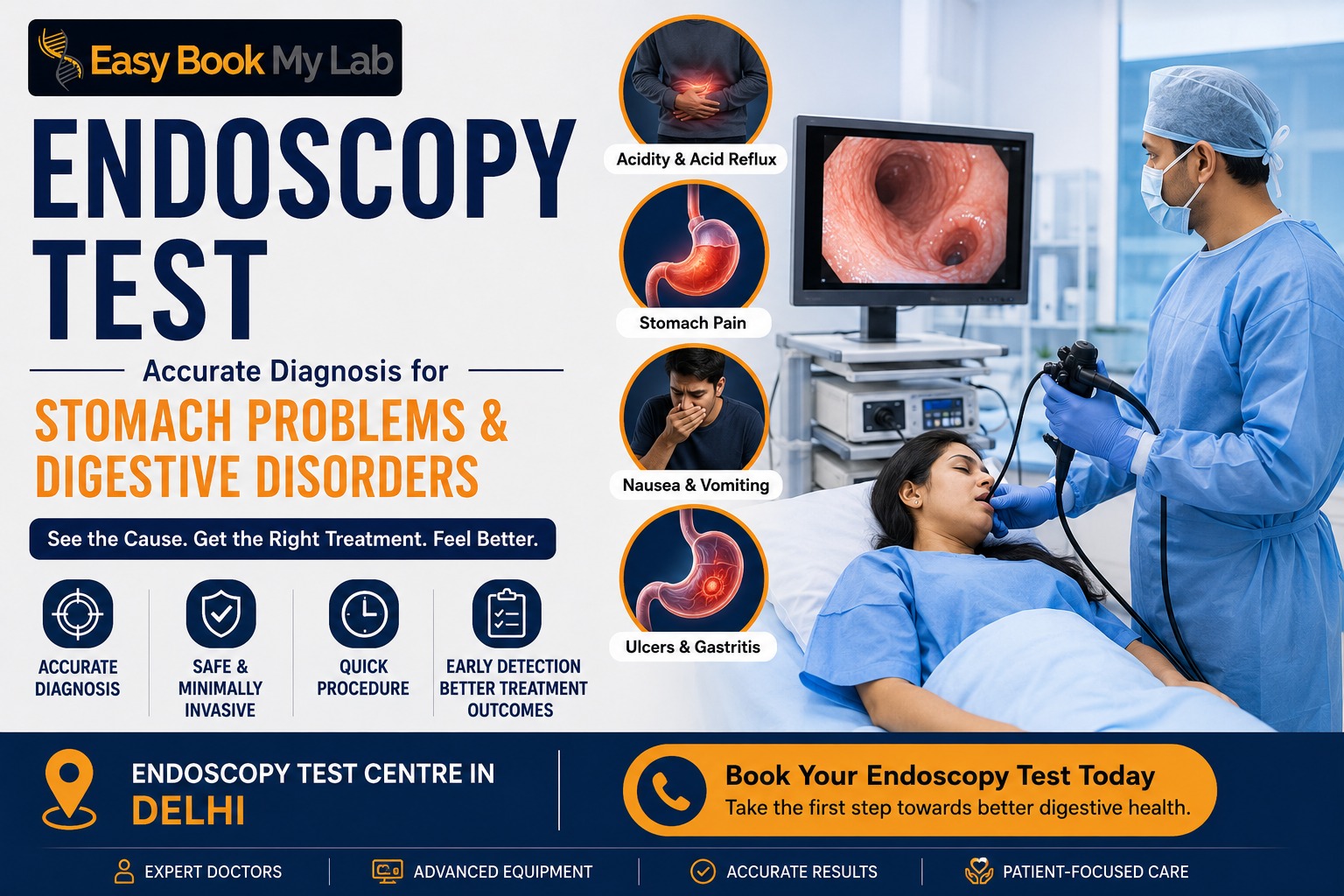
Stomach problems are among the most common health concerns affecting people of all ages. While occasional acidity, indigestion, or bloating may not seem serious, persistent digestive symptoms can sometimes indicate an underlying condition that requires medical attention. When symptoms continue despite medications or lifestyle changes, doctors often recommend an endoscopy test to identify the exact cause.
An endoscopy is one of the most effective diagnostic procedures for examining the digestive tract. It allows doctors to directly view the esophagus, stomach, and upper part of the small intestine, helping them diagnose conditions accurately and begin appropriate treatment.
If you are experiencing chronic stomach discomfort, understanding why doctors recommend an endoscopy can help you make informed healthcare decisions.
What is an Endoscopy Test?
An endoscopy is a minimally invasive procedure in which a thin, flexible tube with a tiny camera attached to its tip is inserted through the mouth and guided into the digestive tract.
The camera transmits real-time images to a monitor, allowing doctors to closely examine the lining of the digestive system and detect abnormalities that may not appear on other imaging tests.
The procedure is generally safe, quick, and highly effective for diagnosing a wide range of gastrointestinal disorders.
Endoscopy Test Centre in Delhi: Common Reasons Doctors Recommend an Endoscopy
Doctors may suggest an endoscopy when digestive symptoms become persistent, severe, or unexplained. The test helps identify the root cause of symptoms and prevents delays in treatment.
1. Persistent Acidity and Acid Reflux
Many people experience occasional acidity, but frequent heartburn or acid reflux can indicate Gastroesophageal Reflux Disease (GERD).
An endoscopy helps doctors:
- Assess damage caused by stomach acid
- Detect inflammation in the esophagus
- Identify ulcers or narrowing of the food pipe
- Evaluate long-term reflux complications
Early diagnosis helps prevent serious digestive issues in the future.
2. Chronic Stomach Pain
Recurring stomach pain can result from various conditions, including ulcers, gastritis, infections, or digestive disorders.
An endoscopy allows doctors to directly inspect the stomach lining and identify:
- Stomach ulcers
- Gastritis
- Inflammation
- Internal bleeding
- Structural abnormalities
Finding the exact cause helps ensure targeted treatment rather than temporary symptom relief.
3. Unexplained Nausea and Vomiting
Frequent nausea or vomiting without a clear reason should never be ignored.
An endoscopy can help diagnose:
- Stomach inflammation
- Ulcers
- Digestive tract blockages
- Gastric outlet obstruction
- Certain gastrointestinal diseases
Identifying these conditions early can prevent complications and improve recovery outcomes.
4. Difficulty Swallowing
If food feels stuck while swallowing or causes discomfort, doctors may recommend an endoscopy to examine the esophagus.
The test helps detect:
- Narrowing of the esophagus
- Inflammation
- Growths or tumors
- Swallowing disorders
Prompt diagnosis can significantly improve treatment success.
5. Suspected Stomach Ulcers
Stomach ulcers are open sores that develop in the stomach lining and can cause:
- Burning pain
- Nausea
- Bloating
- Loss of appetite
- Internal bleeding
An endoscopy is considered one of the most accurate ways to diagnose ulcers and assess their severity.
6. Unexplained Weight Loss
Sudden weight loss without changes in diet or exercise can sometimes signal a digestive disorder.
Doctors may recommend an endoscopy to investigate possible causes such as:
- Chronic inflammation
- Ulcers
- Digestive diseases
- Malabsorption disorders
- Gastrointestinal tumors
Early detection often leads to more effective treatment.
7. Gastrointestinal Bleeding
Symptoms such as:
- Black stools
- Blood in vomit
- Unexplained anemia
may indicate internal bleeding within the digestive tract.
An endoscopy helps doctors locate the source of bleeding and, in some cases, treat it during the same procedure.
Conditions Diagnosed Through Endoscopy
An endoscopy can help diagnose a variety of digestive disorders, including:
- Gastritis
- Peptic ulcers
- GERD (Acid Reflux Disease)
- Barrett’s Esophagus
- Celiac Disease
- Esophageal Strictures
- Hiatal Hernia
- Stomach Polyps
- Gastrointestinal Infections
- Early-stage Digestive Tract Cancers
This makes endoscopy one of the most valuable tools in gastrointestinal diagnosis.
Is an Endoscopy Painful?
One of the biggest concerns patients have is whether the procedure is painful.
In reality, most patients experience minimal discomfort. A local anesthetic spray or mild sedation is typically used to make the procedure more comfortable.
The test usually takes between 10 and 30 minutes, and most patients can return home the same day.
Benefits of Early Endoscopy Testing
Getting an endoscopy when recommended by your doctor offers several advantages:
Accurate Diagnosis
The procedure provides direct visualization of the digestive tract, resulting in highly accurate findings.
Early Detection
Serious conditions such as ulcers, bleeding, and digestive cancers can often be detected at an early stage.
Faster Treatment
A clear diagnosis allows doctors to start the right treatment sooner.
Prevention of Complications
Early intervention can prevent conditions from worsening and reduce the need for more extensive treatment later.
Who Should Consider an Endoscopy?
You should consult a doctor about an endoscopy if you experience:
- Persistent acidity
- Chronic stomach pain
- Difficulty swallowing
- Frequent vomiting
- Unexplained weight loss
- Gastrointestinal bleeding
- Long-term indigestion
- Severe bloating after meals
Ignoring these symptoms may delay diagnosis and treatment.
Choosing the Right Endoscopy Test Centre in Delhi
When selecting an Endoscopy Test Centre in Delhi, look for:
- Experienced gastroenterologists
- Advanced endoscopy equipment
- High safety standards
- Accurate reporting
- Patient-focused care
- Comfortable procedure environment
Choosing a trusted diagnostic centre ensures reliable results and a smooth patient experience.
Conclusion
An endoscopy test is one of the most effective diagnostic procedures for identifying the causes of persistent stomach and digestive problems. Whether you are dealing with chronic acidity, abdominal pain, swallowing difficulties, unexplained weight loss, or gastrointestinal bleeding, an endoscopy can provide valuable insights that other tests may miss.
If your doctor recommends an examination, do not delay. Visiting a reliable Endoscopy Test Centre in Delhi can help detect digestive conditions early, ensure accurate diagnosis, and guide the most effective treatment plan for better long-term health.