
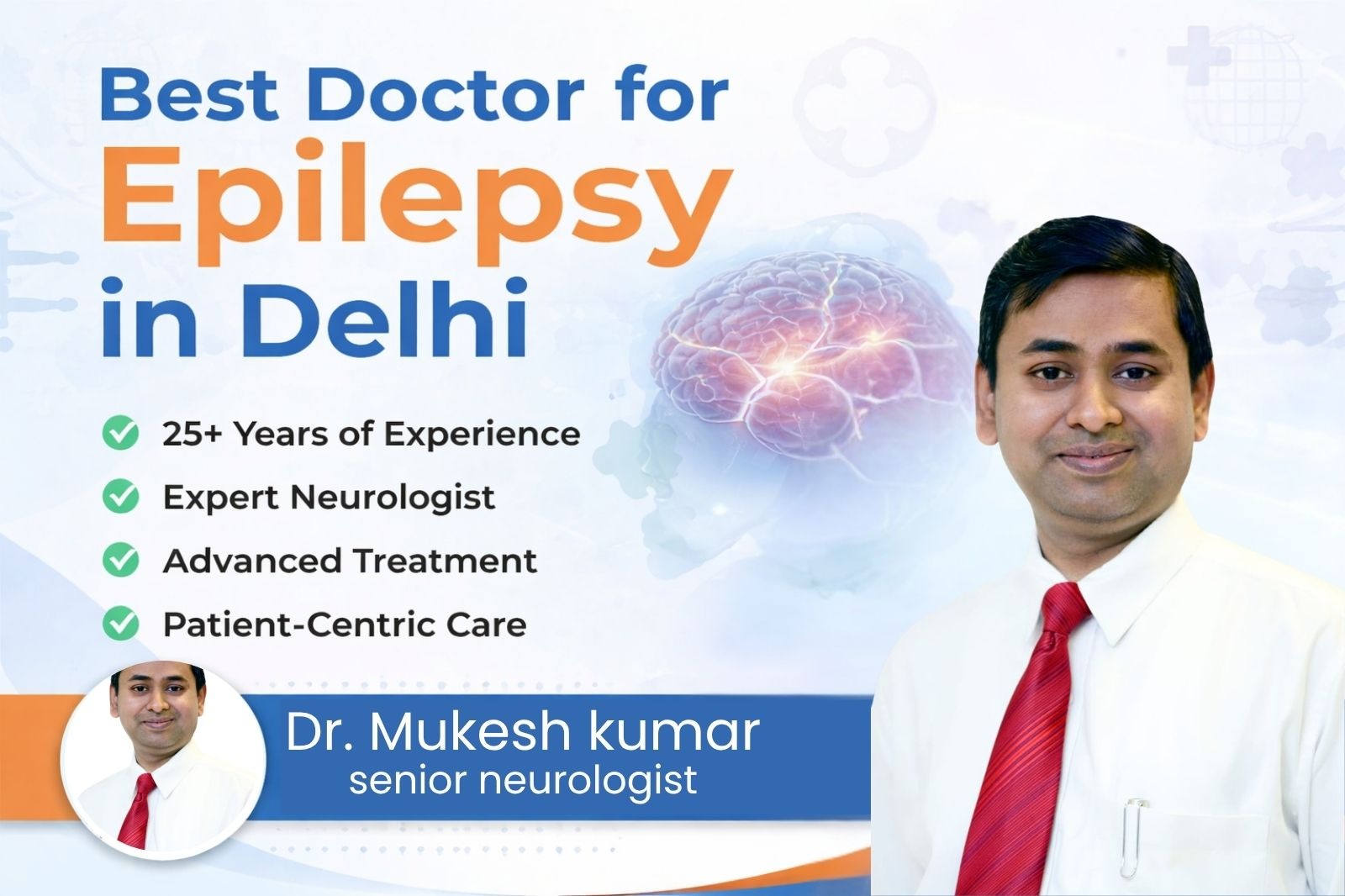
Best Doctor for Epilepsy in Delhi – Understanding Epilepsy, Its Causes, Types & Complete Management Guide for a Better Life
Empowering lives through awareness, early diagnosis, and advanced neurological care
Epilepsy is one of the most common neurological disorders affecting people of all ages, yet it continues to be widely misunderstood. Many individuals associate epilepsy only with severe seizures, but in reality, the condition exists in many forms — some subtle, some complex, and all requiring proper understanding and care.
With modern medical advancements and expert neurological management, epilepsy is no longer a condition that limits life. Early diagnosis, the right treatment approach, and guidance from the Best Doctor for epilepsy in Delhi can significantly improve seizure control and overall quality of life.
This comprehensive guide explains epilepsy in detail — from causes and symptoms to treatment options and practical ways to live confidently with the condition.
Best Doctor for Epilepsy in Delhi – Why Early Understanding and Expert Care Matters
The right knowledge and timely neurological consultation can transform epilepsy management.
Epilepsy occurs when electrical signals in the brain become disrupted, causing temporary disturbances in normal brain activity. These disturbances lead to seizures, which may affect movement, awareness, emotions, or behavior.
While seizures may appear frightening, many people with epilepsy successfully manage their condition with appropriate treatment and lifestyle adjustments. The key lies in early recognition, accurate diagnosis, and personalized care planning.
Seeking guidance from the Best Doctor for epilepsy in Delhi ensures proper evaluation of seizure patterns, triggers, and neurological health, helping patients achieve long-term stability.
What Exactly is Epilepsy?
The human brain communicates using billions of neurons that send electrical signals continuously. When these signals suddenly become excessive or disorganized, a seizure occurs.
Epilepsy is diagnosed when a person experiences recurrent, unprovoked seizures rather than a single episode caused by temporary factors like fever or injury.
Seizures can vary greatly, including:
- Brief moments of staring or confusion
- Sudden emotional or sensory changes
- Muscle jerking or stiffness
- Loss of awareness or consciousness
Because symptoms differ widely, epilepsy often goes undiagnosed or misunderstood during early stages.
Major Causes of Epilepsy
Epilepsy does not always have a single identifiable cause. However, several factors are commonly associated with its development.
Genetic Influence
Certain inherited traits may increase susceptibility to abnormal brain electrical activity.
Brain Injury or Trauma
Head injuries from accidents, sports, or falls may create structural brain changes that trigger seizures later.
Neurological Conditions
Diseases affecting brain health, such as stroke, infections, or tumors, can increase epilepsy risk.
Developmental Factors
Abnormal brain development before or after birth may affect neural communication pathways.
Unknown Causes
Nearly half of epilepsy cases have no clearly identifiable cause, yet many patients still achieve excellent seizure control through treatment.
Types of Seizures Explained
Understanding seizure type is essential for selecting the right treatment approach.
Focal Seizures
These begin in one specific area of the brain and may cause:
- Sudden confusion
- Strange sensations or smells
- Repetitive movements
- Temporary loss of awareness
Generalised Seizures
These affect both sides of the brain and may include:
- Tonic-clonic seizures (body stiffening and jerking)
- Absence seizures (brief staring spells)
- Myoclonic seizures (sudden muscle jerks)
Each type requires individualized medical evaluation and management.
Common Symptoms People Often Ignore
Epilepsy symptoms are not always dramatic. Early warning signs may include:
- Sudden memory lapses
- Episodes of blank staring
- Unexplained fear or anxiety
- Temporary confusion
- Sudden falls
- Tingling sensations or visual disturbances
Some individuals experience an aura, a warning feeling before a seizure begins.
Recognizing these early signs allows quicker intervention and better outcomes.
How Epilepsy is Diagnosed
Diagnosis involves a detailed neurological assessment that may include:
- Medical and seizure history analysis
- Neurological examination
- EEG to measure brain electrical activity
- MRI or CT scans to examine brain structure
Accurate diagnosis helps determine seizure type, triggers, and the most effective treatment strategy.
Advanced Treatment Options for Epilepsy
Modern neurology offers multiple treatment pathways designed to control seizures and improve daily functioning.
Medication Therapy
Anti-seizure medications stabilize brain activity and remain the primary treatment for most patients.
Lifestyle Management
Healthy daily habits significantly reduce seizure risk:
- Proper sleep routine
- Stress management
- Balanced nutrition
- Avoiding alcohol and triggers
Dietary Therapy
Specialized diets may help certain patients manage seizure frequency.
Surgical Treatment
When medication fails, surgery may be considered to treat seizure-origin areas in the brain.
Neurostimulation Techniques
Implanted devices can regulate nerve signals and reduce seizure frequency in selected cases.
Living Confidently with Epilepsy
Epilepsy management goes beyond medicine. Emotional well-being and lifestyle balance are equally important.
Track and Understand Triggers
Maintaining a seizure diary helps identify patterns and prevent episodes.
Build Strong Support Systems
Family awareness and social understanding improve emotional confidence.
Practice Stress Reduction
Yoga, meditation, and relaxation techniques help stabilize brain activity.
Prioritize Sleep Health
Sleep deprivation is one of the most common seizure triggers.
Breaking Common Myths About Epilepsy
Myth: Epilepsy is contagious
Fact: It is a neurological condition and cannot spread between people.
Myth: All seizures involve convulsions
Fact: Many seizures are subtle and may appear as brief confusion.
Myth: People with epilepsy cannot live normally
Fact: With treatment, individuals lead successful personal and professional lives.
About Dr. Mukesh Kumar – Best Doctor for Epilepsy in Max Saket Delhi
Over 25+ Years of Experience in Neurology
Dr. Mukesh Kumar is among the most reputed and Best Neurologist in Delhi, widely recognized for his expertise in diagnosing and managing complex neurological conditions, including epilepsy.
With more than two decades of excellence in neurology, he has developed deep clinical expertise in treating various brain disorders. His extensive experience reflects a strong commitment to delivering effective neurological care through accurate diagnosis and advanced treatment approaches.
Dr. Mukesh Kumar follows the latest medicinal and scientific advancements for disorders related to the central nervous system. His approach focuses on understanding each patient individually, ensuring treatments are tailored according to their specific neurological condition.
Known for his calm and reassuring nature, he handles every patient with patience and compassion. His patient-centric philosophy emphasizes comfort, clarity, and confidence throughout the treatment journey, helping individuals feel supported at every step.
Creating Awareness for a Better Future
Increasing awareness about epilepsy helps eliminate fear and social stigma. Education empowers communities to respond correctly during seizures and promotes acceptance for individuals living with neurological conditions.
Compassion, understanding, and medical awareness together create safer environments and better outcomes.
Final Thoughts
Epilepsy is not a limitation — it is a manageable neurological condition. With early diagnosis, advanced treatment, and guidance from the Best Doctor for epilepsy in Delhi, individuals can regain control over their health and live fulfilling lives.
Knowledge, consistency in treatment, and emotional support remain the strongest pillars of successful epilepsy management.