
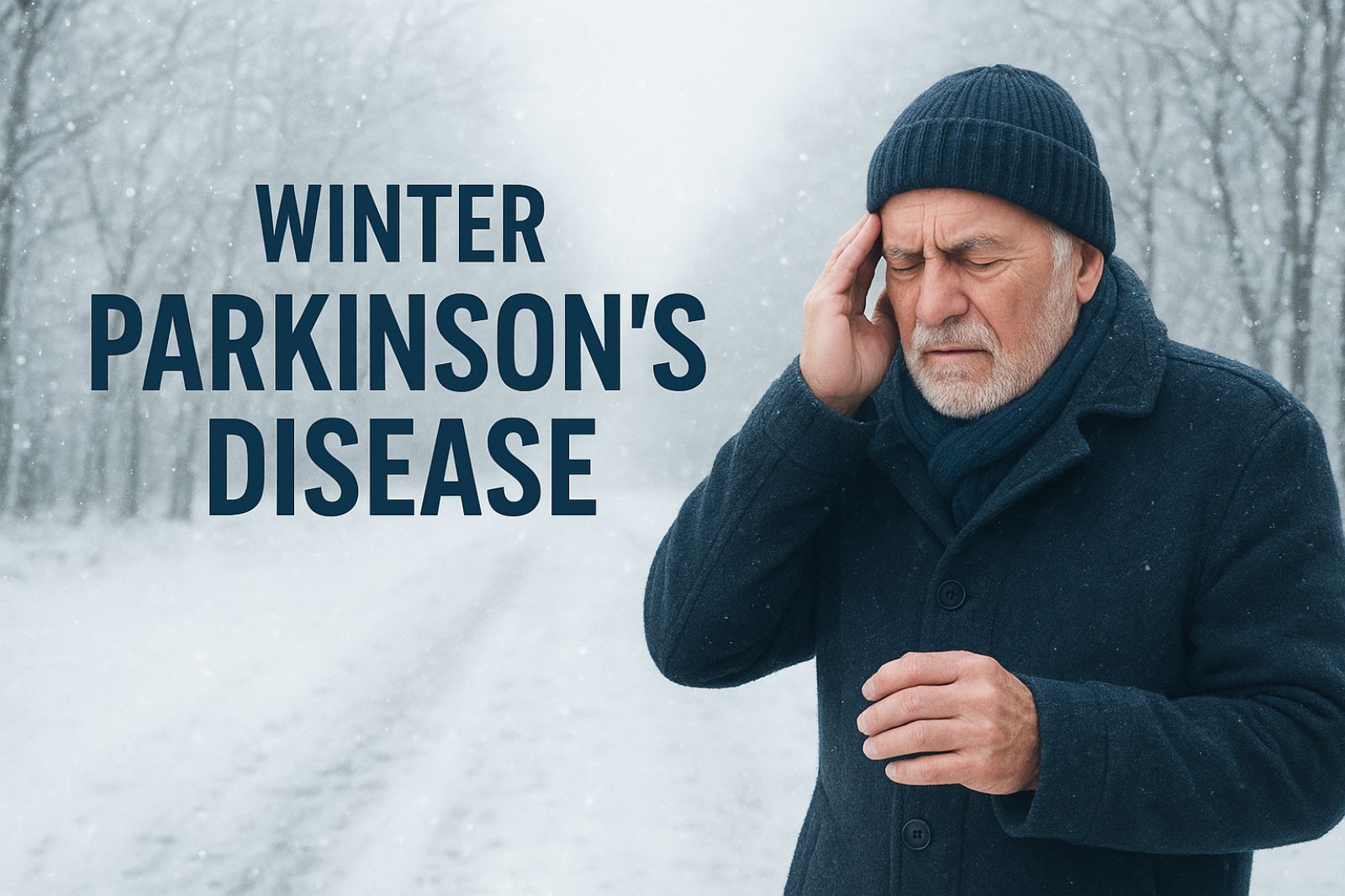
Parkinson’s Disease and Winter: Understanding the Connection
Dr. Mukesh Kumar – Best Neurologist for Parkinson’s Disease in Delhi
Parkinson’s Disease (PD) is a progressive neurological disorder that affects movement, muscle control, and balance. Patients often experience tremors, stiffness, slowed movements, and difficulties with coordination. While Parkinson’s symptoms persist throughout the year, many patients notice that the winter season can worsen their condition. Cold weather, reduced sunlight, and limited mobility often contribute to the increased severity of symptoms during this time.
In this blog, we will discuss how winter impacts Parkinson’s Disease, why symptoms tend to worsen, and how patients can manage them effectively under the expert care of Dr. Mukesh Kumar, a highly experienced neurologist in Delhi.
Why Parkinson’s Symptoms Worsen in Winter?
Winter brings unique challenges for individuals with Parkinson’s Disease. Several factors contribute to the aggravation of symptoms during cold months:
1. Muscle Stiffness and Rigidity
Cold weather naturally makes muscles tighter. For Parkinson’s patients, who already experience stiffness and rigidity, winter can further restrict mobility and make daily tasks more difficult.
2. Reduced Physical Activity
Shorter days and lower temperatures often limit outdoor activities. Decreased physical movement can lead to worsening motor symptoms, reduced flexibility, and a higher risk of falls.
3. Vitamin D Deficiency
During winter, limited sunlight exposure reduces the body’s natural production of Vitamin D. This deficiency can negatively impact bone health, mood, and muscle strength—further complicating Parkinson’s symptoms.
4. Worsening of Depression and Anxiety
Parkinson’s Disease is often associated with non-motor symptoms such as mood swings, depression, and anxiety. Winter’s gloomy weather, along with social isolation, may intensify these mental health challenges.
5. Sleep Disturbances
Cold weather and reduced sunlight can disturb sleep patterns, leading to fatigue and worsening of tremors and rigidity in patients with Parkinson’s Disease.
Managing Parkinson’s Disease in Winter
The good news is that with proper care and lifestyle adjustments, Parkinson’s patients can manage their symptoms more effectively during the winter season.
Stay Active Indoors
Light stretching, yoga, or physiotherapy at home can help keep muscles flexible and reduce stiffness.
Dress Warmly
Layered clothing helps regulate body temperature and prevents muscles from becoming rigid in cold weather.
Ensure Adequate Vitamin D Intake
Supplements and a diet rich in Vitamin D and calcium can help combat deficiencies during winter.
Maintain Mental Well-being
Engage in hobbies, light exercises, or social activities indoors to reduce feelings of depression or anxiety.
Regular Medical Consultation
Winter may require adjustments in medication or treatment plans. Regular check-ups with a neurologist are crucial for monitoring symptoms.
Dr. Mukesh Kumar – Best Neurologist for Parkinson’s Disease in Delhi
When dealing with a complex condition like Parkinson’s Disease, expert guidance is essential. Dr. Mukesh Kumar, a highly experienced neurologist in Delhi, specializes in the diagnosis, treatment, and management of Parkinson’s Disease and other movement disorders.
With years of expertise, Dr. Kumar provides personalized treatment plans, including medication management, advanced therapies, and lifestyle modifications, to help patients achieve a better quality of life. His patient-centered approach and compassionate care make him one of the most trusted neurologists for Parkinson’s Disease.
Conclusion
Winter can worsen the symptoms of Parkinson’s Disease due to stiffness, reduced activity, mood changes, and vitamin deficiencies. However, with proper care, lifestyle adjustments, and expert medical support, these challenges can be effectively managed.
If you or a loved one is struggling with Parkinson’s symptoms, consulting Dr. Mukesh Kumar can provide the right guidance and treatment for a healthier, more comfortable life—even during the challenging winter season.